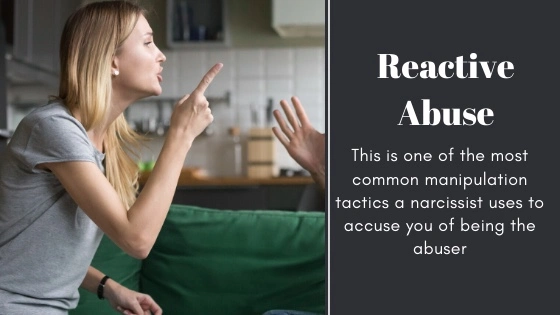
What Is Reactive Abuse?
Reactive abuse is a term often used to describe a person’s defensive reaction after being subjected to ongoing abuse. An abusive person may use that reaction against you, shift blame, and portray themselves as the victim.
This can leave you feeling confused, guilty, or unsure of what really happened. Instead of acknowledging their behavior, they focus on your response.
Understanding the whole pattern matters—not just the moment when you finally reacted. As the National Domestic Violence Hotline explains, defending yourself from abuse is different from using abuse to control someone.
Reactive Abuse and Narcissistic Traits
Narcissistic personality disorder, or NPD, can involve an exaggerated sense of self-importance, a strong need for admiration, entitlement, and difficulty recognizing other people’s needs and feelings.
Abusive behavior does not automatically mean someone has NPD, and a diagnosis alone does not establish that someone is abusive. Focus on the behavior you are experiencing rather than trying to diagnose the person.

In an unhealthy or abusive relationship, someone may repeatedly dismiss your feelings, blame you for their actions, or expect you to take responsibility for their emotions. They may also portray themselves as the person being mistreated when you speak up.
You do not need a diagnosis or a particular label to recognize that a relationship is hurting you. Your experiences, feelings, and safety matter.
The Cycle of Reactive Abuse and Blame-Shifting
Abusive relationships can involve periods of tension, abusive incidents, and attempts at reconciliation. These patterns vary, and not every relationship follows the same stages.
When someone uses your reaction to shift blame, the pattern may look like this:
1. Tension Builds
Criticism, accusations, controlling behavior, or repeated boundary violations can leave you feeling anxious and overwhelmed.
2. Abusive Behavior Occurs
Abuse may be emotional, physical, sexual, or financial. You may respond by defending yourself, trying to leave, becoming overwhelmed, or shutting down. People respond to threatening situations in different ways.
3. Your Reaction Becomes the Focus
The abusive person may behave as though your response started the problem. They might ignore what happened beforehand and use your reaction to justify their behavior.
You may begin questioning yourself, feeling guilty, or accepting responsibility simply to restore peace.

4. The Pattern Repeats
If the abusive person continues avoiding accountability, the same pattern may happen again.
Their decision to abuse you is their responsibility. Trying to keep the peace does not make you responsible for their actions.
Recognizing this pattern can help you understand what is happening and seek support. You do not have to figure it out alone.
Setting Boundaries in an Abusive Relationship
Personal boundaries help you identify what you need and what behavior you will accept in a relationship.
Someone who behaves abusively may dismiss your needs or repeatedly cross those boundaries. You may find yourself explaining, defending, or minimizing your feelings just to avoid another argument.
When it is safe, be clear about your limits and the steps you can take to protect yourself. Remember that a boundary cannot force another person to change.
If asserting a boundary could increase the danger, prioritize your safety. A domestic violence advocate can help you consider your options and develop a safety plan suited to your circumstances.
Self-Love and Self-Care After Emotional Abuse
Practice self-love and self-care in ways that feel manageable. Constant conflict and emotional manipulation can take a toll on your well-being.
Make space for rest, activities you enjoy, and people who help you feel supported. Gentle movement, regular meals, and relaxation practices may also help you care for yourself.
Self-care does not stop another person’s abuse, and staying calm is not something you owe them in order to deserve safety.
You deserve care even when you feel overwhelmed.
Where to Find Support for Reactive Abuse
If the person is a partner or family member, limiting contact may be complicated. You do not have to make every decision at once.
Consider speaking with someone you trust who will listen without blaming you. A qualified counselor or domestic violence advocate can help you understand the situation and explore your options.
You do not need to understand or fix the other person’s behavior before asking for help.
For more information, read:
- The National Domestic Violence Hotline’s explanation of reactive abuse
- Choosing Therapy’s article on reactive abuse
- Mayo Clinic’s overview of narcissistic personality disorder
In the United States, you can contact the National Domestic Violence Hotline at 800-799-7233, text START to 88788, or visit TheHotline.org for support. If you are in immediate danger, call 911.
Your reaction deserves context. Your feelings deserve attention. And you deserve relationships where love does not require you to sacrifice your safety or sense of self.


Leave a Reply