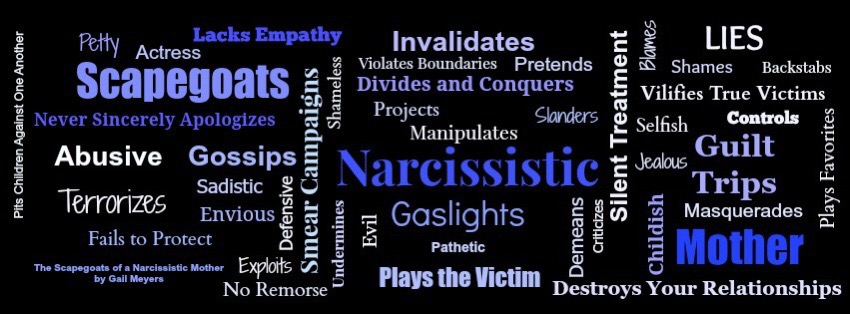
In the complex tapestry of family dynamics, few threads are as intricately painful as those woven by a narcissistic mother. These mothers, often suffering from Narcissistic Personality Disorder (NPD), view their children not as individuals, but as extensions of themselves, meant to fulfill their insatiable need for attention and validation. This blog post dives into the often-covert emotional abuse perpetrated by narcissistic mothers and offers a pathway to healing and recovery.
Understanding Covert Narcissism in Mothers
Covert narcissism in mothers represents a more concealed and insidious form of Narcissistic Personality Disorder. Unlike their overt counterparts, who are blatantly self-absorbed and openly seek admiration, covert narcissists are subtler in their approach. These mothers often harbor deep-seated feelings of inadequacy and insecurity, which they mask with a superficial veneer of selflessness or martyrdom. Their narcissism is not expressed through grandiose behavior, but through passive-aggressiveness, manipulation, and emotional exploitation. They use subtle tactics like guilt-tripping, silent treatment, and veiled insults to maintain control and feed their ego, making it more challenging for victims and even professionals to identify the abuse.
The Public Persona of a Covert Narcissistic Mother
To the outside world, covert narcissist mothers often appear as the epitome of dedication and maternal warmth. They may be actively involved in community and school activities, often receiving praise for their seemingly selfless devotion to their children. This public persona is meticulously crafted to gain admiration and validation from others. It serves as a shield, hiding their manipulative and abusive behavior. The dichotomy between their public facade and private conduct can be so stark that those outside the immediate family unit find it hard to believe the reality of the abuse, often leading to a lack of support or disbelief when victims try to seek help.
The Reality Behind Closed Doors
In the privacy of their homes, the covert narcissist mother’s demeanor shifts dramatically. Away from public scrutiny, they often become critical, dismissive, and emotionally detached. Their affection or attention is conditional, used as a tool for manipulation rather than genuine maternal love. Children raised by such mothers often experience a range of emotional abuses, from gaslighting and invalidation of feelings to outright neglect or psychological torment. The unpredictability of the mother’s affection leaves the child in a constant state of anxiety and confusion, leading to long-term emotional and psychological repercussions. The stark contrast between the public and private personas of these mothers creates a confusing, often traumatic environment for children, who may struggle to reconcile the two vastly different sides of their mother.
The Tools of Emotional Abuse
Narcissistic mothers employ a range of manipulative tactics:
Manipulation and Threats
Narcissistic mothers are adept at employing manipulation and threats as tools of emotional abuse. They use emotional leverage to control and manipulate their children into compliance with their demands. This manipulation often takes various forms, such as emotional blackmail, guilt-tripping, and playing the victim. These mothers may twist the truth, make false accusations, or exaggerate situations to exploit their children’s vulnerabilities and gain the upper hand in the relationship. By making their children feel responsible for their happiness or well-being, they create a dynamic of dependency and fear.
Another form of manipulation narcissistic mothers may us is conditional love and approval. Children learn that their mother’s affection and attention are not given freely, but must be earned through compliance with her demands and expectations. This creates an environment where children constantly strive to please and appease the mother, often at the expense of their own needs and wellbeing. and Fear
Guilt and fear are potent weapons in the arsenal of narcissistic mothers. They use these emotions to ensure obedience and discourage any form of rebellion or defiance from their children. Guilt is often induced through various means, including constant criticism, comparisons to others, and highlighting past mistakes or shortcomings. Narcissistic mothers are skilled at making their children feel responsible for their own unhappiness or dissatisfaction, leading to a crippling sense of guilt that keeps the children compliant.
Fear, on the other hand, is instilled through a combination of intimidation, emotional outbursts, and unpredictable behavior. Narcissistic mothers may subject their children to episodes of rage or mood swings, creating an environment where the children constantly walk on eggshells, fearing the next explosion. This fear serves as a powerful deterrent against questioning the mother’s authority or asserting personal boundaries. Children raised by narcissistic mothers often become hyper-vigilant, always anticipating their mother’s reactions and trying to avoid anything that might trigger negative emotions.
Long-Term Impact of Guilt and Fear: The combination of guilt and fear can have long-lasting effects on a child’s psyche. It can lead to chronic anxiety, a pervasive sense of unworthiness, and difficulties in forming healthy, boundary-respecting relationships in adulthood. The child may also internalize these feelings, leading to self-blame and a distorted sense of responsibility for their mother’s happiness and wellbeing.
Rage and Mood Swings
Unpredictable Emotional Environment: Narcissistic mothers often exhibit unpredictable rage and mood swings, creating an unstable and emotionally volatile environment. Children never know what to expect and are constantly on edge, trying to navigate the mother’s shifting moods and avoid triggering her anger. This unpredictability can be deeply unsettling, making the home feel unsafe and unpredictable.
Impact of Rage on Children: The rage of a narcissistic mother can be intense and frightening. It may involve verbal attacks, emotional outbursts, or even physical aggression. Witnessing or being the target of such rage can be traumatic for children, leading to a host of emotional and behavioral issues. It can result in chronic anxiety, hypervigilance, and an ingrained sense of fear that persists into adulthood.
Coping with Mood Swings: Children of narcissistic mothers often develop coping mechanisms to deal with these mood swings. They may become overly compliant and self-effacing, constantly trying to anticipate and cater to the mother’s emotional needs. Alternatively, they might withdraw emotionally, becoming detached and distant as a means of self-preservation. These coping strategies, while protective in the short term, can lead to difficulties in forming healthy emotional connections later in life.
The Narcissistic Mother’s Reaction to Criticism
Intense Response to Perceived Criticism: Narcissistic mothers exhibit an extreme reaction to any form of criticism, perceived or real. This sensitivity stems from their fragile ego and an inflated sense of self. For instance, a simple suggestion from a child about trying a different approach to a task can trigger a disproportionate response. The mother might interpret this as a direct attack on her parenting skills, leading to a barrage of defensive arguments, denials, or even outright rage. This intense reaction serves to silence dissent and reinforces the mother’s perceived infallibility in the eyes of her children.
Denial and Projection: In the face of criticism, narcissistic mothers often resort to denial and projection. They not only deny any shortcomings or mistakes but also project these onto their children. For example, if a child points out a mother’s unfairness in a situation, the mother might retaliate by accusing the child of being ungrateful and selfish. This projection shifts the focus from the mother’s behavior to the child’s supposed faults, effectively diverting attention from the original issue.
Impact on the Child
Internalizing the Criticism: Children of narcissistic mothers often internalize the criticism and projected faults. Growing up in an environment where their observations and feelings are constantly invalidated, they may start believing that they are indeed the flawed ones. This internalization can lead to chronic self-doubt, low self-esteem, and in some cases, the development of perfectionist tendencies as they strive to avoid further criticism.
Fear of Expression and Conformity: The intense aversion to criticism in these mothers instills a fear of expression in their children. They learn early on that voicing opinions, especially those that might be construed as critical, can lead to severe backlash. Consequently, these children often grow up suppressing their thoughts and conforming to their mother’s views and desires, losing a part of their individuality and the ability to assert themselves in other aspects of life.
Long-Term Emotional Effects: The long-term emotional effects on children raised by narcissistic mothers sensitive to criticism are profound. They may struggle with vulnerability and have difficulties in forming genuine connections, as they fear criticism and rejection in their relationships. Therapeutic intervention often focuses on rebuilding these individuals’ sense of self-worth, teaching them to recognize and challenge the negative beliefs instilled in them during their formative years.
The Illusion of Control and Authority in Narcissistic Mothers
Dominance Through Control: Narcissistic mothers often exhibit a compelling need to dominate and control every aspect of their children’s lives, driven by an inflated sense of self-importance and a deep-seated fear of losing control. This behavior manifests in micromanaging daily activities, making critical life choices for their children, and insisting on obedience to their rules and expectations. This need for control is not limited to childhood but often extends into the child’s adult life, affecting their decisions about careers, relationships, and personal goals. This overbearing control is rooted in the mother’s desire to maintain a facade of a perfect family, where children are seen as extensions of her persona rather than independent individuals with their own needs and aspirations.
The Inability to Acknowledge Faults and Apologize
Deflection and Blame-Shifting: A defining characteristic of narcissistic mothers is their inability to accept responsibility for their actions or acknowledge their faults. In situations where they are clearly at fault, these mothers adeptly shift blame to others, often accusing their children of being the cause of any problems or conflicts. This tactic not only absolves them of any responsibility but also serves to keep their children in a state of self-doubt and guilt. The continuous deflection of blame can have long-lasting effects on the child’s self-esteem and ability to trust their own judgment, leading to difficulties in asserting themselves in other relationships and situations.
The Long-Term Impact of a Narcissistic Parenting Style
Enduring Effects on Children’s Well-Being: The combination of relentless control and refusal to acknowledge wrongdoing creates a toxic environment for children raised by narcissistic mothers. Children learn to suppress their feelings and desires to avoid conflict, often leading to issues with self-worth and identity in adulthood. They may struggle with setting boundaries, asserting their needs, and may even replicate some of these toxic behaviors in their relationships. Healing from this type of upbringing requires acknowledging the abuse, understanding its impact, and engaging in therapeutic practices that help rebuild a sense of self and establish healthy relationship patterns.
The Narcissistic Family Structure: Roles and Dynamics
The Pervasive Influence of the Narcissistic Mother
In families where the mother exhibits narcissistic traits, the family dynamics are significantly influenced by her needs and behaviors. The narcissistic mother’s self-centeredness and lack of empathy shape a household where emotional well-being is often contingent on her mood and whims. These mothers, driven by a deep-seated need for admiration and a lack of genuine empathy, create an environment where familial relationships are manipulated to serve her psychological demands.
The Golden Child: Privileged Yet Burdened
The Golden Child in a narcissistic family is often portrayed as the epitome of success and virtue, reflecting the mother’s perceived excellence. This child receives preferential treatment, praise, and is often shielded from criticism. However, this role comes with significant psychological costs. The Golden Child may grow up with unrealistic expectations of themselves and others, struggle with entitlement or superiority complexes, and often have difficulties forming genuine, empathetic relationships.
The Scapegoat: Unjustly Targeted
Conversely, the Scapegoat is the family member unfairly blamed for various problems and shortcomings within the family. This child endures disproportionate criticism, hostility, and even outright abuse. The Scapegoat’s role is particularly damaging, often leading to long-term issues such as low self-esteem, depression, anxiety, and difficulties in trusting others. They may internalize the belief that they are inherently flawed or undeserving of love and respect.
The Conformer/Flying Monkey: Complicit and Enabling
Conformers or Flying Monkeys are family members who, either consciously or unconsciously, reinforce the narcissistic mother’s behavior. They may echo her sentiments, participate in scapegoating, or deny the abuse altogether. This role often stems from a desire to avoid the narcissist’s wrath or gain favor. However, conformers contribute to the toxic family dynamics and can perpetuate the cycle of abuse, often struggling with guilt or denial later in life.
The Impact on Family Dynamics
These roles, rigidly enforced by the narcissistic mother, create a family dynamic lacking genuine empathy, support, and healthy communication. Relationships are often transactional, based on the fulfillment of the narcissistic mother’s needs. Children growing up in such environments may struggle with forming healthy relationships outside the family, as their understanding of love, support, and communication is skewed by their upbringing.
The Possibility of Change and Healing
Despite these challenges, change and healing are possible. Recognizing and understanding these roles is the first step towards breaking free from them. Therapy, self-awareness, and building supportive relationships outside the family can help individuals overcome the limitations of these roles. It’s essential to understand that while these roles have shaped one’s upbringing, they do not have to dictate one’s future. Personal growth and healing are achievable, allowing for healthier relationships and a more fulfilling life outside the shadow of a narcissistic parent.
Understanding the Decision of No Contact
The Concept of No Contact: Going ‘No Contact’ is a decisive step where individuals choose to completely cut off communication with their narcissistic mother. This decision is often the culmination of prolonged periods of emotional abuse and the realization that maintaining a relationship is detrimental to one’s mental health. It’s a boundary-setting practice that involves stopping all forms of communication, including in-person visits, phone calls, emails, and interactions on social media. The primary goal is to create a safe emotional space where the individual can heal and rebuild their life away from the toxicity of the abusive relationship.
The Challenges of Implementing No Contact: Deciding to go No Contact is not without its challenges. It often involves a significant emotional struggle, as it goes against the societal expectation of familial bonds and loyalty. There’s also the challenge of grappling with feelings of guilt, grief, and doubt, as well as facing potential backlash or misunderstanding from other family members and friends. It requires a strong resolve and often, the support of a therapist or a support group to navigate through these complex emotions and to stay firm in the decision.
Navigating the Aftermath of No Contact
Coping with Estrangement and Loss: Going No Contact can lead to estrangement from not just the narcissistic mother but also other family members who may not understand or support the decision. It’s akin to mourning the loss of a family, which can be profoundly painful and isolating. Individuals might experience a range of emotions from relief and freedom to sadness and grief. It’s crucial during this time to engage in self-care practices, seek therapy, and build a support network of friends or others who have had similar experiences.
The Path to Healing and Personal Growth: The journey of healing post-No Contact is gradual and often non-linear. It involves re-discovering one’s identity away from the influence of the narcissistic parent, processing and healing from the trauma, and learning to establish healthy boundaries in relationships. This path can lead to significant personal growth, a deeper understanding of self, and the development of healthier relationship dynamics. The ultimate aim is to break the cycle of abuse and to forge a life defined by self-respect, autonomy, and emotional well-being.
The Initial Steps in Building Supportive Relationships
Seeking Healthy Connections: After making the difficult decision to go No Contact, it’s crucial to begin the process of forming new, healthier relationships. This starts with identifying qualities in others that were missing in the family environment, such as empathy, respect, and genuine care. Engaging in activities and communities where these traits are valued can be a good starting point. This might include joining support groups, participating in community events, or taking up hobbies that encourage positive social interactions. It’s important to approach these relationships with openness and patience, understanding that building trust and connection takes time, especially after experiencing a traumatic upbringing.
The Importance of a Strong Support System
Emotional Nourishment and Validation: A strong support system offers the emotional nourishment and validation that individuals may not have received in their family of origin. Surrounding oneself with empathetic individuals provides a safe space to express feelings and thoughts without fear of judgment or reprisal. These relationships can offer a new perspective on healthy interactions and emotional support, helping individuals to understand what a respectful and nurturing relationship looks like. Furthermore, a supportive network can provide practical advice and encouragement, which is especially valuable during moments of self-doubt or when old patterns of thinking threaten to resurface.
Long-Term Benefits and Personal Growth
Fostering Personal Growth and Healing: Building supportive relationships is not just about replacing what was lost; it’s also about fostering personal growth and healing. These relationships can act as a mirror, reflecting back a more accurate view of oneself, free from the distortions of narcissistic abuse. Over time, this helps in developing a stronger sense of self-worth and identity. Additionally, positive relationships can serve as a model for setting healthy boundaries, improving communication skills, and understanding reciprocity in relationships. As individuals learn to navigate these healthier dynamics, they gain confidence and resilience, essential components for a fulfilling life and lasting emotional well-being.
The Crucial Role of Professional Therapy in Healing
Navigating the Complexities of Narcissistic Abuse: Seeking professional therapy is a pivotal step in recovering from the trauma inflicted by a narcissistic mother. Therapists who specialize in narcissistic abuse possess a deep understanding of its complex nature and the profound impact it can have on an individual’s mental and emotional well-being. These professionals are equipped with the knowledge and tools to help survivors unpack the layers of manipulation and emotional damage they have endured. Therapy provides a safe and confidential space for individuals to express their feelings, fears, and experiences without judgment. Therapists can help unravel the intricate web of negative beliefs and distorted perceptions formed during years of living under narcissistic control, aiding clients in recognizing and challenging these harmful patterns.
Developing Coping Strategies and Building Resilience
Building Tools for Lasting Recovery: An essential aspect of therapy in this context is the development of tailored coping strategies that empower individuals to deal with the aftermath of narcissistic abuse. This involves learning how to set healthy boundaries, improve self-esteem, manage anxiety and depression, and rebuild trust in oneself and others. Experienced therapists can provide practical techniques for dealing with triggers and emotional flashbacks, helping clients to gradually regain control over their emotional responses. Additionally, therapy can play a significant role in building resilience, equipping individuals with the strength and resources to not only recover from their past but also to thrive in their future relationships and life endeavors. Through professional guidance, survivors of narcissistic abuse can embark on a journey of healing and transformation, paving the way for a more fulfilling and autonomous life.
Self-Care and Self-Compassion
Prioritizing Self-Care: In the journey of recovery from narcissistic abuse, engaging in self-care activities is not just beneficial but essential. Self-care encompasses a range of practices that nurture one’s physical, mental, and emotional health. This might include activities like mindfulness meditation, regular physical exercise, pursuing hobbies, or simply allowing oneself time to rest and relax. These activities help in alleviating stress and building a strong foundation for emotional resilience. By prioritizing self-care, survivors begin to reclaim their sense of self, learning to put their well-being at the forefront, which is often a stark contrast to their experiences of neglect and self-sacrifice in a narcissistic family environment.
Cultivating a Compassionate Inner Voice: Developing self-compassion is a crucial aspect of healing from the scars of narcissistic abuse. Survivors often struggle with a critical inner voice, a remnant of the constant criticism and manipulation they experienced. Transforming this inner voice into one that is kind, understanding, and supportive is a transformative process. It involves recognizing and challenging negative self-talk, practicing self-acceptance, and learning to treat oneself with the same kindness and empathy one would offer a good friend. Cultivating self-compassion helps in rebuilding self-esteem and self-worth, crucial elements in overcoming the impact of a narcissistic upbringing.
Empowerment Through Knowledge
The Power of Understanding Narcissistic Abuse: Education about narcissistic abuse is a powerful tool for survivors. Understanding the dynamics of narcissism, its impact on family relationships, and the common patterns of behavior in narcissistic individuals can be incredibly validating. Resources like Psychology Today offer a wealth of information that can help survivors make sense of their experiences, dispel the confusion and self-doubt instilled by their abusers, and recognize that they are not alone in their experiences. This knowledge not only provides clarity but also empowers individuals to identify and avoid similar toxic dynamics in the future.
Leveraging Resources for Recovery: Actively seeking out and utilizing resources dedicated to understanding and recovering from narcissistic abuse can greatly accelerate the healing process. This includes books, online articles, podcasts, and forums where survivors share their stories and support each other. Engaging with these resources helps in building a community of support, offering new perspectives, and equipping survivors with practical strategies to cope with the aftermath of abuse. The process of educating oneself thus becomes a journey of empowerment, fostering a sense of agency and control over one’s life.
Breaking the Cycle of Abuse: Survivors of narcissistic mothers, though burdened with deep emotional scars, possess an incredible strength. The journey towards healing is challenging, but it is also a testament to the resilience of the human spirit. Breaking free from the cycle of abuse is not just about moving away from past traumas; it’s about moving towards a future filled with self-acceptance, healthy relationships, and personal fulfillment.
Embracing a Future of Self-Recovery and Empowerment: This blog serves as a beacon of hope and a guide for those embarking on the difficult yet rewarding path towards healing. It is a reminder that while the scars of the past are part of one’s story, they do not define the entirety of one’s life. With support, understanding, and a commitment to self-growth, survivors can transform their experiences into sources of strength and wisdom. This journey of self-recovery is not just about healing from the past; it’s about empowering oneself to build a life defined by love, respect, and genuine happiness.


Leave a Reply